
Chapter 11: Starting Points
An address is more than a set of directions. Sometimes, the order in which we describe a place reveals how we understand relationships, responsibility, and the people around us.

Chapter 10: The Weight of Being Noticed
For weeks, the story remained unseen. This chapter reflects on what happens when suffering is treated as internal, distant, and easy to ignore until the moment it crosses a border and the world finally begins to look.

Chapter 9: Nothing in Its Place
What remains of a trial when the verdict is already decided? This chapter explores the unsettling reality of institutions that no longer serve their purpose.

Chapter 8: Unjust Blood Always Finds Its Way
A reflection on mourning, injustice, and the quiet belief that innocent blood does not vanish; it transforms, remembers, and demands justice.
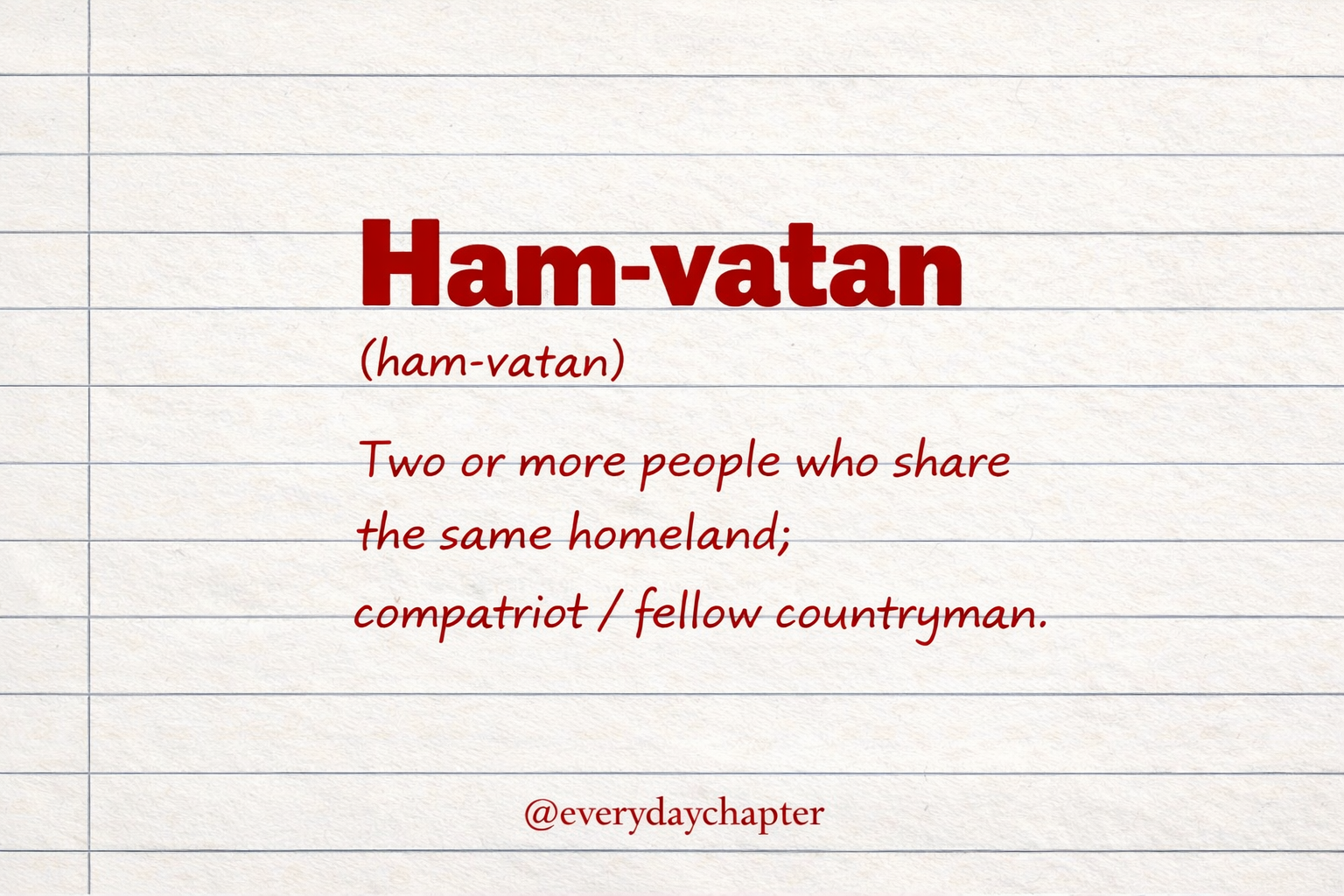
Chapter 7: The Same Emotions, Different Voices
I listen to songs in languages I barely understand and feel them deeply. This chapter is about the emotions we share without speaking, the grief we recognise without knowing names, and the way music carries what language cannot.
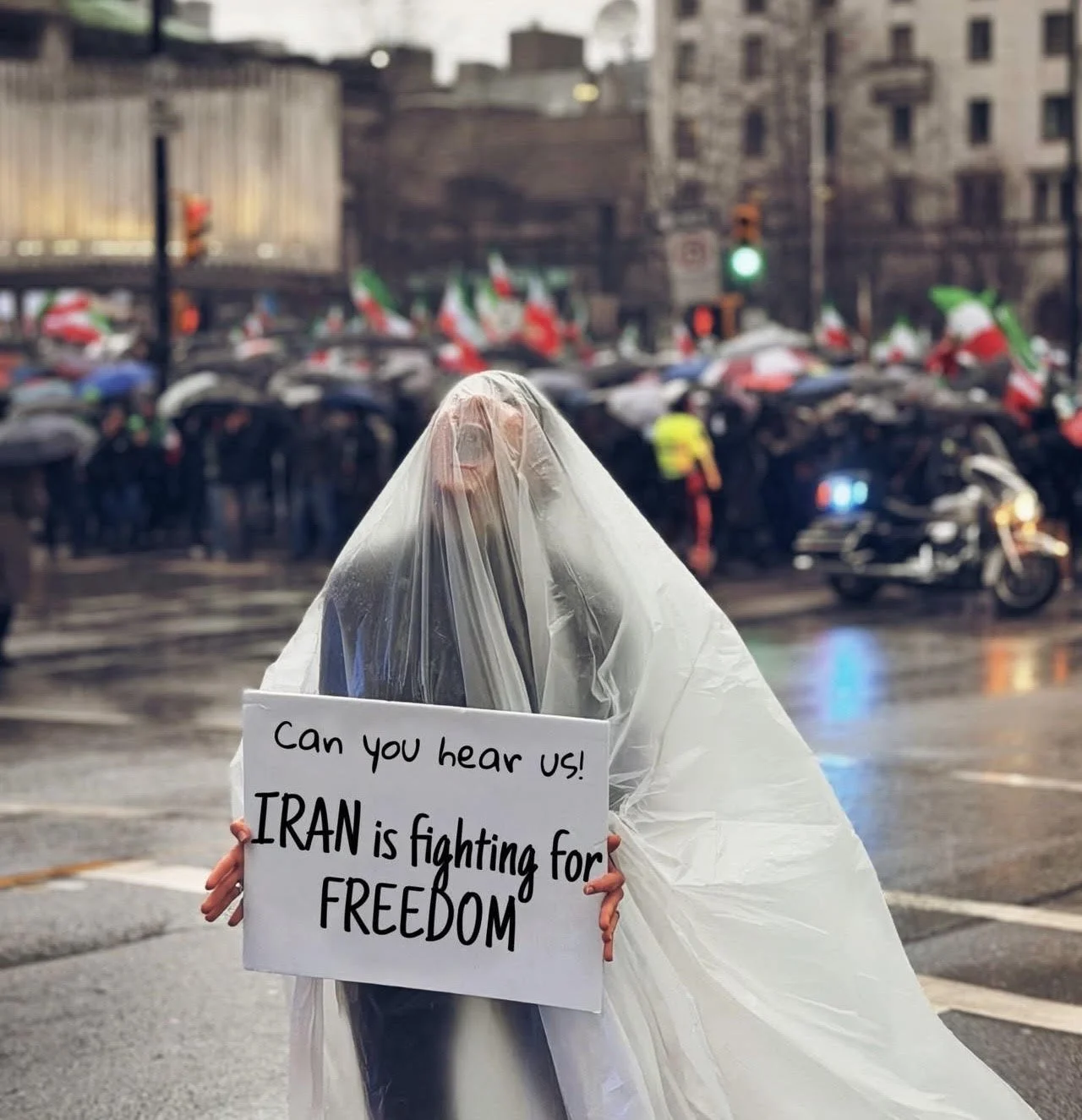
Chapter 6: When the Hostage Is a Nation
This chapter is written for those who read the news, see the pictures, and say, “This is very sad that people are dying in Iran, but…”
It is for the pause that follows, for the justifications that arrive too quickly, and for the questions that are never asked once a story feels convenient to dismiss.
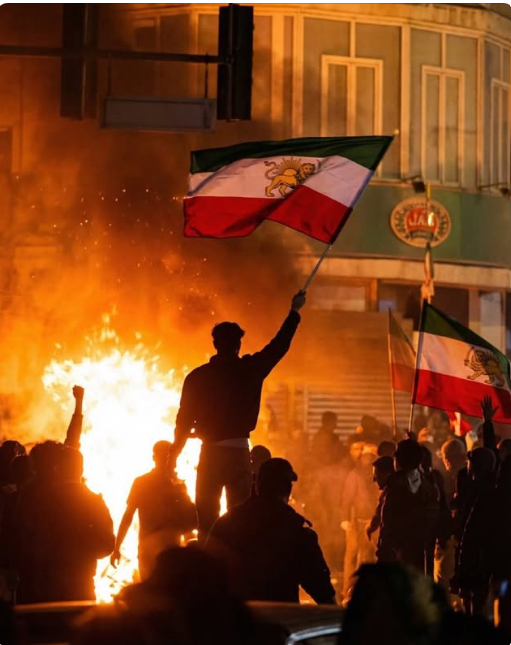
Chapter 5: What Context Changes
In Iran, nothing arrives with a single meaning. Symbols that speak of resistance elsewhere have been used to justify silence, violence, and control. This chapter explores what it means to stand for justice while living with histories that complicate every gesture. Holding more than one truth at once has become my way of surviving.

Chapter 4: A Language Learned Through Tragedy
ome words enter a language gently; others arrive through loss. This chapter reflects on the words learned through tragedy, and the meanings that never loosen their hold.
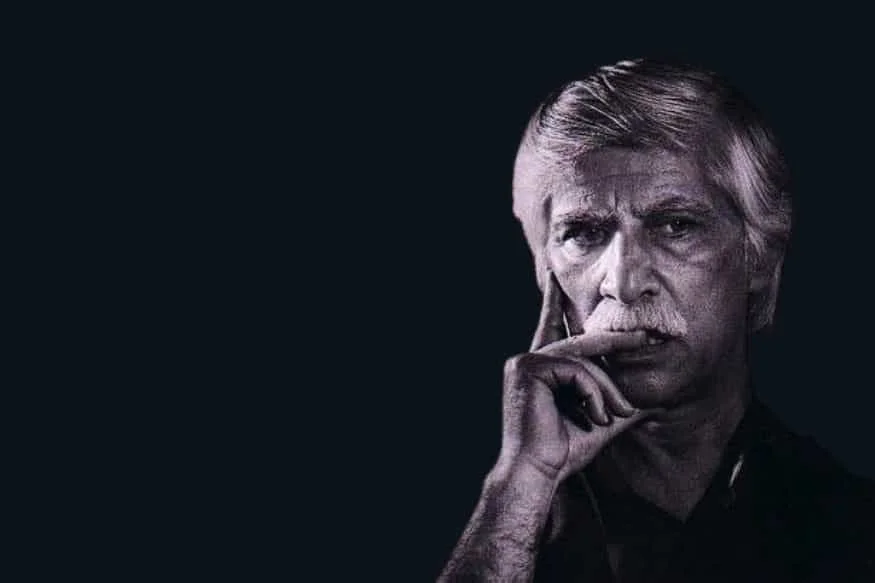
Chapter 3: For Bahram Beyzai
“Beyond the walls, there is always a path, even if it is night.”
A quiet tribute to Bahram Beyzai, and to the enduring belief that hope survives even in darkness.

Chapter 1: Loneliness in the Age of Connection
Loneliness has learned to exist quietly in a world that promises constant connection. As communication reaches its peak, closeness begins to feel strangely distant. This chapter reflects on extremity, connection, and the moments when things turn into their opposites.